Eggy Eggy Parm Parm

For you Tom Haverford fans out there . . .


ANYways. I’m a horrible blogger. Two weeks in between posts? Blogging suicide. But I have an excuse. The days/weeks/months have been FLYING by lately, have they not? I’m not sure if it’s because of the election and how much of the past several months I’ve had to just tune out and hum songs in my head while I consider moving out of a swing state to Texas before the next major election, or if it’s about daylight savings time and so the days just seem shorter, or if it’s just that ramp up to the holidays where we all sort of run around like chickens about to get their heads cut off, but in any case, the time between my blogs feels like hours. The last one was right before Halloween, which was like, yesterday, right?

In any case, I present to you: eggy eggy parm parm (aka Eggplant Parmesan):

Eggy Eggy Parm Parm

This is a super fun joke for you Parks and Rec fans. For everyone else I just sound a little spastic.

This meal came together in some fun ways. The sauce is my tomato sauce I’ve posted about twice, and now thrice, cause I’m obviously obsessed with it. And the eggplant came from Mattawoman Creek Farms on the Eastern Shore of Virginia. Last weekend the organization that I direct, Buy Fresh Buy Local  Hampton Roads, helped organize a local food tour on the Eastern Shore. Several farms, restaurants and wineries participated and opened their doors to the public, gave free wine tastings and specials, etc. I’ve been up the shore a few times in my life, but never to spend any real, good quality time, so I was excited to spend the day up there. We took the dogs with us, and they even got a behind-the-scenes tour of Mattawoman Creek Farms, a beautiful and incredibly well run Organic Farm that produces what I think is probably world-famous lettuce, among lots of other things. They have an incredibly long season because they use green and hoop houses very efficiently. I’m really sorry I didn’t take any pictures there, but I was wrangling two dogs in a muddy field just a few days after hurricane Sandy blew through.

We also visited two wineries, Holly Grove Vineyard and Chatham Vineyard. They are both really great and we bought a bottle of Petit Verdot at Holly Grove and the Church Creek Chardonnay at Chatham. Also, they have winery dogs, so you can’t hate that:

Anyways, back to the parm. We didn’t get a chance to go grocery shopping yesterday, so when I went to put dinner together a box of spaghetti, an eggplant and my frozen tomato sauce just made sense. As per usual, I do not really have a recipe for this, but I can tell you my process.

First, I peel the eggplant and cut it into 1” thick rounds. This was a huge eggplant, so I took two of the rounds and diced those pretty small to add to the sauce.

I took the rounds and dredged them in egg, then a breadcrumb/flour mixture and put them on a baking sheet. They went into a 350 degree oven for 20 -30 minutes or until they were easily pierced with a fork. Tender, but not mushy. About 2 minutes before they were ready to come out, I topped them with shredded mozzarella.

The diced eggplant pieces went into olive oil in a large pot and were sauteed with garlic and Italian seasoning until they were tender. Then the thawed tomato sauce went into the pot, maybe two cups? But use however much you need for however many people are eating. To this I add tomato paste to thicken the sauce. Remember, the sauce I make is more like tomato sauce in a can than pasta sauce in a jar, it’s the base for sauces, so it needs to be thickened in some way before putting on pasta. I let this simmer while the eggplant baked.

Cook your pasta according to the directions, drain, then mix into the tomato sauce to keep warm while the eggplant finishes up. Serve the eggplant over the pasta, top with Parmesan and parsley or a little more mozzarella. Do not eat this without wine. Preferably a cab sav, shiraz or chianti.
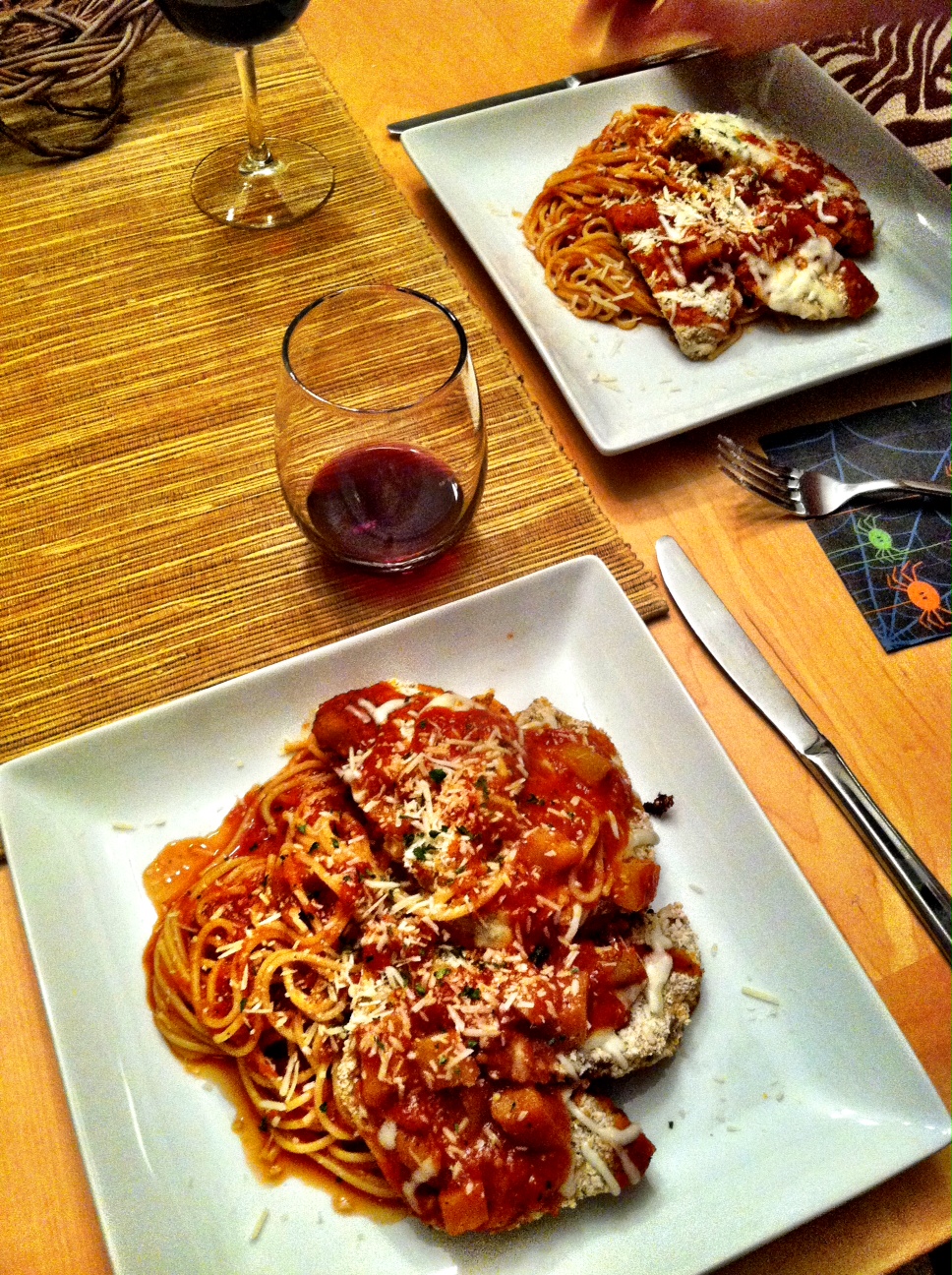
Yes, those are Halloween napkins. See, I really think Halloween was just yesterday.

I know this is not the traditional way to make eggplant parm, where you bake it with the sauce and big slices of mozzarella right on top and then served without pasta, but I’m not Italian, so there ya go. I also know I have posted a lot of eggplant related dishes. I just love it. People are scared of it, I’ve realized lately. They think it needs to be salted and rinsed and fussed over and that if you don’t do it just right it’s bitter or tough. I have never found any of this to be true. I don’t salt or sweat mine, I peel it, roast, bake or saute it, and I’ve never had one that tasted anything but delicious. And because I like to eliminate meat where I can in our diet, eggplant is the perfect substitution for chicken in this dish, or for sausage or ground beef in the sauce. It just makes the meal heartier while also making it healthier. I also like to use my method above of peeling, cutting and then breading the eggplant slices, then I put them on a baking sheet and freeze them. Then you can take out individual slices of eggplant straight from the freezer to the oven and bake them whenever you want them throughout the winter. I use them in this dish, or baked and put on a sub roll with marinara and provolone in place of meatballs or just as eggplant “filets” topped with bruchetta, cheese, olive tapenade – whatever you want!

How do you like to prepare eggplant? Are you scared of cooking with eggplant? What eggplant myths have you been told?

Trick or Treats?

Treats, please.

We had some friends over for The Walking Dead premier a few weeks ago, and since it was close to Halloween, we had some creepy treats to nosh on. Our friend Rachel (not me) made these “brain cupcakes” (super good by the way – the cupcakes were chai flavored – whaa??), and I made these creepy bloody cocktails – it’s basically just a cosmo, but I made my own candy elixir to create the bloody rim, and then made eye ball garnishes with radishes and olives. There were also bone shaped mozarella biscuits with bloody marinara dip. We might have a problem.

What are your favorite Halloween treats? Or if you’re not in to treats, what are your favorite tricks? Mine is putting the creepy Halloween ghoul decoration we put on our porch in Jeremy’s closet the day after Halloween. Gets him every time . . .


Impulse Buy

For most people, an impulse buy at the grocery store is a pack of gum, or maybe if you’re feeling really wild, a Milky Way (tm?) or something. Or if you’re at the farmers market, maybe you grab a little pint of blueberries, because you just can’t pass them up. But not for me. Oh no. When I impulse buy, I go big.

Take, for example, this past week when I went by Stoney’s Produce in Virginia Beach to see if they had kale or cabbage for a soup I was making. They did not. But you know what they did have? 25 pound boxes of canning tomatoes. That’s right. Instead of buying one bunch of kale for a soup, I came home with a toddler sized box of tomatoes. And they were on their last leg, which is why they were being sold in bulk. 25 pounds of tomatoes, over-ripe, bruised and needing to be turned into SOMETHING within a day or two. It was like buying a ticking time bomb. For $12.

For the tomato novices, you cannot leave tomatoes, especially tomatoes in this state, in a box all stacked on top of each other. They need to be laid out, stem side down, on a flat surface to keep from bruising any more. So you can imagine what 25 pounds of tomatoes, laid out in single rows looks like in my tiny kitchen. Well, you don’t have to imagine, actually, because I made a collage of the tomato invasion:

OH GOD THEY’RE EVERYWHERE!!

(that is only about half of them). I knew I wanted to eat some of them fresh and preserve some of them, so here’s what I did:


1. Caprese Salad

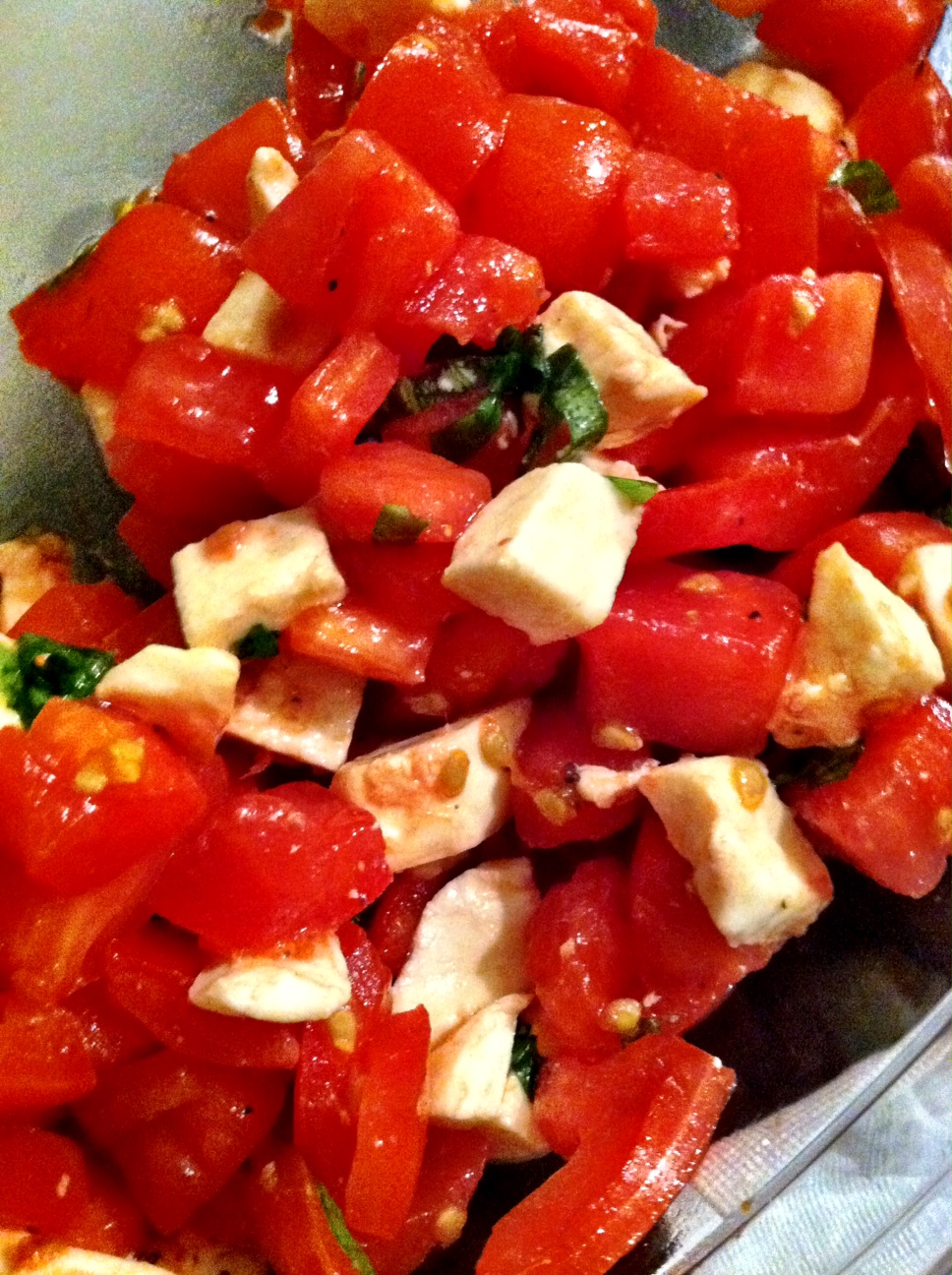
Some friends of ours invited us over for dinner this week, so I cut several tomatoes up, mixed them with diced fresh mozzarella, olive oil and fresh basil, salt and pepper and had it alongside some delicious chicken kebabs they made. Caprese is one of my very favorite tomato dishes, because it lets their freshness shine and creamy, slightly salty mozzarella is the perfect foil for them.

2. Salsa

I had not made and preserved any salsa yet this year, so this was the perfect opportunity. Some of this we ate fresh, the rest I will freeze and then thaw as needed throughout the winter. Recipe is super simple:

6 small tomatoes, blanched, peeled, diced
1 onion, diced small
2 jalapenos, seeded and diced (or keep some seeds in if you like the spice)
1 red pepper, roasted, peeled, seeded and diced
2 cloves of garlic, minced
1 tbs lime juice
salt and pepper to taste

Combine all your ingredients and let sit overnight for flavors to meld. Serve fresh with tortilla chips or freeze in zip top bags or tupperware containers. When you’re ready to use, let thaw in the refrigerator overnight. When you’re ready to eat the salsa, throw in some chopped cilantro, but I wouldn’t put the cilantro in with the batch you’re freezing. I think that sort of destroys the real fresh, bright scent and taste of cilantro. If you’re not sure how to roast a pepper, there are two ways to do it depending on what you’ve got going on. If you have a gas stove, then put a small burner on low, and sit the pepper directly on the metal over the flame, rotating every minute or so until every side of the pepper is black or bubbly. If you don’t have a gas stove, place the pepper directly on your oven rack right below your broiler. Again, rotate every minute or so until each side is burnt and bubbly. Then take the pepper (regardless of roasting method) and place in a heat proof dish with a lid. Steam will build up inside the container and after 10 minutes or so, you should be able to remove the skin from the pepper with your hands – it should just slide right off. Then cut the pepper open and remove the seeds, stem and pith, then dice into salsa-sized chunks. Easy Peasy – no reason to buy roasted red peppers for like $9 a jar at the grocery store.

3. Tomato Sauce

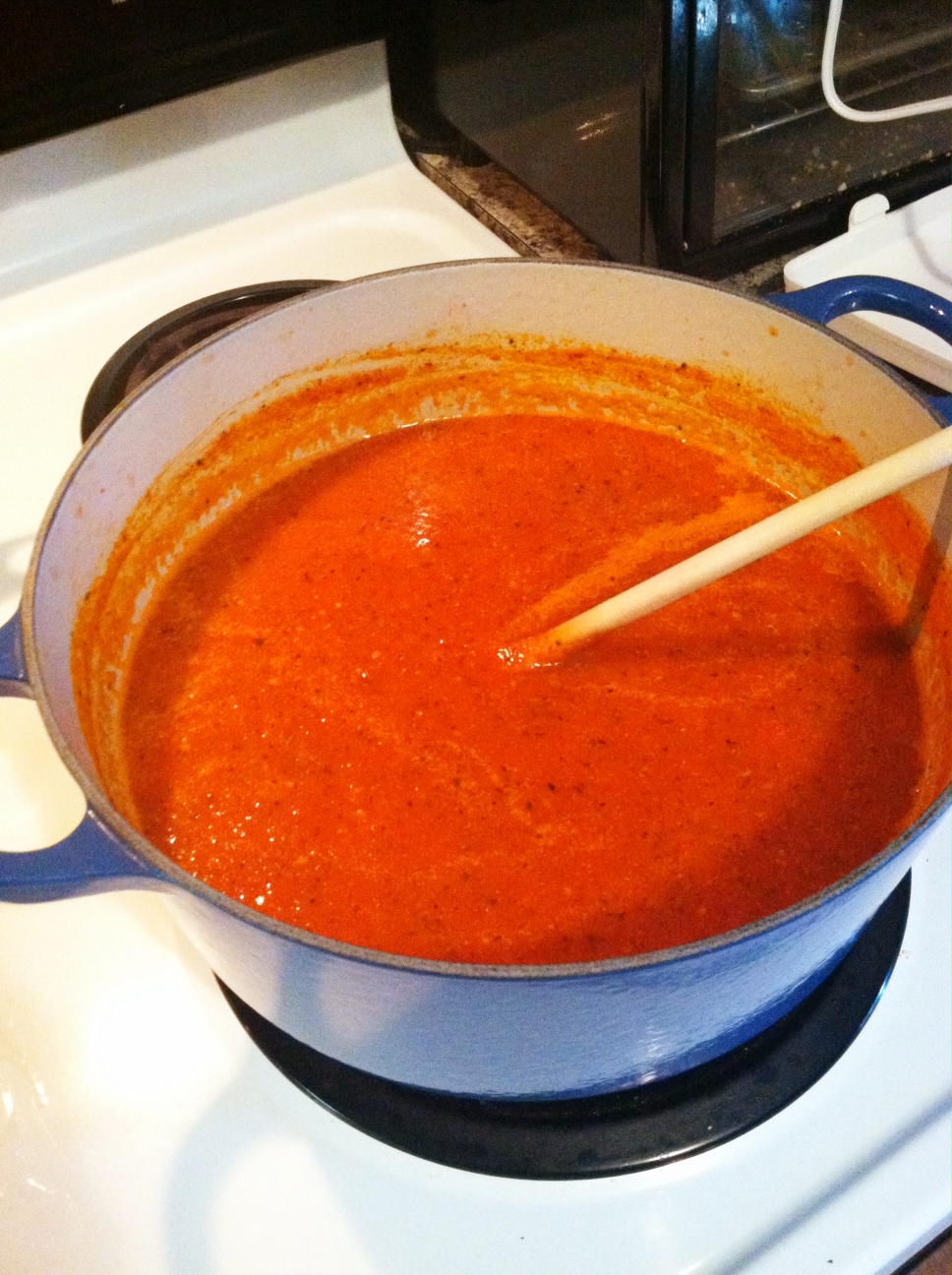
I’ve given this recipe before on the blog, but when I made this sauce this summer, it lasted for all of about 2 weeks, so it was definitely time to make a double batch and freeze it up again.

I also froze 9 tomatoes whole. Seriously – you can take an entire tomato – skin on and everything – and just stick it inside a freezer bag and throw it in the chill chest. Then take them out individually as you need them to make sauces. This only works for applications where the tomato texture doesn’t matter much (like the sauce above). It wouldn’t be great for salsas and things like that. I just had several tomatoes that really could not even wait the one day it took me to do these recipes, so I went ahead and froze them straight away to save them.

I still have about 6-7 tomatoes left, just waiting….to be something. Any suggestions??

Virginia is for Wine Lovers

Let me just say here that although I grew up in North Carolina, and will always consider it home, I have been a legal resident and part-time physical resident of Virginia since I was 15, and a full-time resident since I was 18, and I will admit that I love this “Commonwealth” (it’s not a state, they are real picky about that  . . . ). And Virginia’s wine growing region is not the least of the reasons why.

I should also mention that I love wine. A lot. Like, almost as much, and on some days more than food. Jeremy and I have been visiting Virginia wineries for the past five years or so, and this past year we took our dream trip to Napa Valley. We are winos, plain and simple.

Finally, I should mention that October is Virginia Wine Month which is really fortunate, because as the saying goes – grapes don’t grow in ugly places. And Virginia’s Shenandoah Valley in October is the opposite of ugly. So we took advantage of several situations this past weekend: the peak of the fall foliage season in Shenandoah, the fact that my cousin and her husband just moved to Staunton, VA, and Virginia Wine Month = wine-tasting weekend!!

Virginia wine is pretty amazing, and I can say this even more confidently now, having been to Napa and having tasted some of the best wine the USA makes (I’ll post about that trip later, but I’ll just note here that we tasted and toured Opus One in Napa, which might be one of, if not the, most exclusive wine in the region and while MOST impressive, it still does not outshine the beauty, character and body of Virginia Vino). I fully believe that in the next 10-20 years, Shenandoah Valley will be the East Coast equivalent of Napa Valley. According to VirginiaWine.org “By 1995, Virginia had 46 wineries. By 2005, 107. At 192 wineries and counting today, only California, New York, Oregon and Washington have more wineries than Virginia. The persistence of generations of winemakers is paying off. And the vision of one of Virginia’s most renowned native sons, Thomas Jefferson, is now coming true.”

I could write, and several people have, a book about the influence Thomas Jefferson had on Virginia’s agricultural economy, and specifically wine growing, but we won’t get in to that here. The bottom line is, it’s a historical industry that is finally getting its due, and will continue to flourish in years to come as the wines become more well known and the industry continues to improve.

Here was our wine itinerary for the weekend:

Stop 1: Barren Ridge Vineyards

This very small, but well designed winery with amazing views was a great way to start the day. More low-key than some other wineries we visited, we did not feel rushed and tasted several great wines, the highlight of which was their Traminette and Vidal Blanc. Then we took some cheesy pictures:

We were going for a “Saved by the Bell” pose here.

Stop 2: Afton Mountain Vineyards

Afton has a great selection of wines and offers a classic and reserve tasting. I splurged for the reserve tasting (seriously it’s only $3 more, so just do it), and was really impressed with their reds, particularly their Festa di Bacco, a Tuscan style blend of Sangiovese, Cabernet Sauvignon, and Merlot, and their Cabernet Franc, which is a grape that grows particularly well in Virginia – you’ll find a bottle of this at almost every winery in the state. Jeremy, Sara and Bryan (my cousin and her husband) did the classic tasting and all agreed the Riesling, which was semi-dry and not too sweet (less than 2% residual sugar – a number very important to those of us who detest wines that taste like grape flavored corn syrup) was a winner. So we shared a glass of the Riesling on their beautiful patio. Did I mention the weather was perfect? It was perfect.

It was impossible not to take advantage of this photo opp.

Stop 3: Veritas Vineyard & Winery

Veritas blew us all away. It was shocking to me and Jeremy because it was busier and crazier than anything we’d seen in Napa. The inside of the farmhouse style building was decorated beautifully, tastings are done in groups throughout the house – either at the bar, or in big, overstuffed leather couches, and they have a fantastic yard with a beautiful view where you can picnic or just hang out or nosh on a house cheese tray like we did. There was a line out the door to taste that never disappeared while we were there – although people were being moved through and seated pretty quickly. Far and away the star of the show here is their Saddleback Chardonnay (2011). This is an “old-world” style Chardonnay that starts in stainless steel and is matured in neutral French oak barrels for 4 months. The results is a smooth wine that is not “oakey” or buttery the way many barrel fermented Chards are. It’s light and smooth but still has a lot of body. We bought a bottle, grabbed a cheese tray and set up camp for a while. And wouldn’t you know it, I found the only pug visiting wineries that day in Shenandoah?

Their decor was pretty awesome. Also, I have enough wine corks to do this in my own house.

I found the pug!

I never miss an opportunity for pug play.

It’s just too pretty everywhere up there.


Stop 4: Pollak Vineyards

Our intention had been to stop after Veritas, but at the tasting bar a gentlemen informed Sara that Pollak was very close and a must-taste, so we hit the road again and headed to this fairly new, but well done vineyard that grows enough grapes that they actually sell some of their crop to other local wineries. The owners here originally owned a winery in California’s Carneros region of Napa Valley. The tasting bar was PACKED, so this man must have been really spreading the word, but we waited patiently for our taste, and decided to spend some time on the property here as well, so we all headed outside with a bottle of their Pinot Gris and a glass (for me) of their Cabernet Sauvignon (a hard wine to make in VA, but this one was worthy). Sara took a pretty awesome panoramic picture of the winery and our table, and then we took some photo opps down by their little pond . . . at this point we may have tasted a bit too much wine to be standing that close to a body of water, but we took our chances.

packed!

A pretty sweet panoramic. Thanks, iPhone.

You are seeing bad decisions in action.

Best to make bad decisions with people you love.

Or stay a safe distance. Probably better.

I took a much more hysterical picture of these two, but Sara is insistent that it is not flattering. Pish posh.


The whole day was awesome and I remain amazed and impressed with the wine grown in my “commonwealth” and as much as I love Napa, this is MY wine growing region, and I will continue to support it, no matter what month it is.

Have you been to a Virginia Winery or tasted a Virginia Wine? If you live outside of Virginia – have you tasted any wines produced in your state? What did you think?

We interrupt your previously scheduled Friday . . .

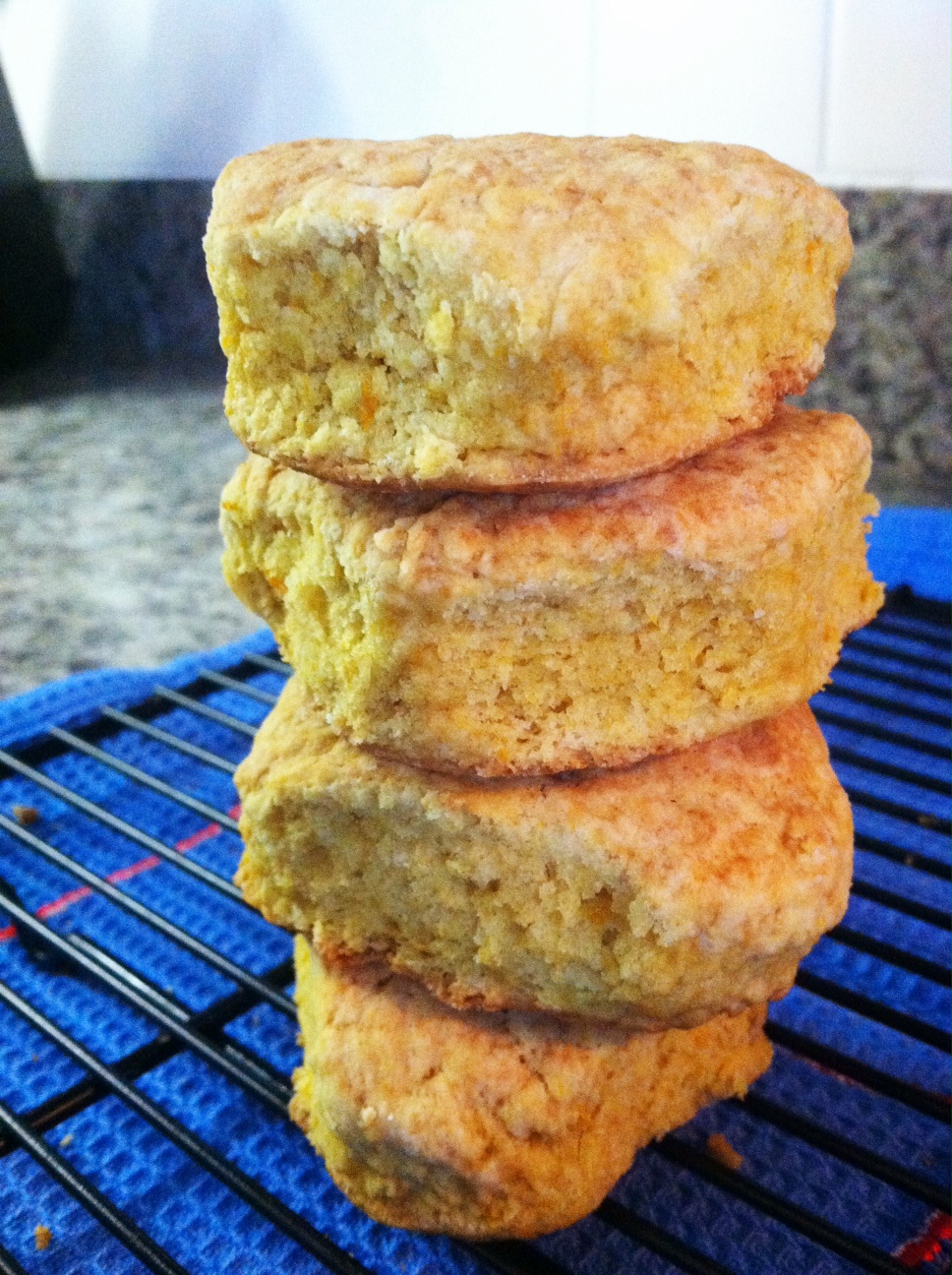
To remind you that sweet potato-ham biscuits are delicious and should be eaten daily.

ham

1. Fry some of this


sweet potato bisuits

2. Make some of these


sweet potato and ham biscuits

3. Put them in your mouth


Edwards Ham and homemade Martha Stewart sweet potato biscuits made with local sweet potatoes. It would be a crime to live through another weekend without making these. Don’t break the law of ham. Just make some.

How do you like them apples?

Apples are the iconic suggestion of autumn, there is no doubt. On a teacher’s desk on the first day of school, in an orchard, just waiting to be picked while leaves wisp around in the background, or baked into a warm brownie, topped with ice cream and homemade caramel…yeah, they’re pretty good.

As I’ve said 6,903 times, I hate to bake. But recently, my sister and her boyfriend Bryan (with a Y!) got engaged (!!), and so to celebrate, I invited them over for dinner, and of course – dessert. There is one thing in the world that will get me in the kitchen baking, and that is celebration. Cakes, brownies, pies – they all seem celebratory. Certainly nothing I would eat on an average Wednesday, anyways.

A quick trip to the farmers market yesterday morning left me with three pounds of apples, and a few ideas. But first off, let’s talk about this:

Eastern Apples: crispier, juicier, tastier

I mean, I love a local apple as much as the next Virginian, but dagg on, if this bag isn’t just trying to slap Washington in the face . . .

Anyways, I had been reading my November issue of Martha Stewart Living that morning, and had noticed in the back, without much regale, a little recipe for apple brownies. And brownies are like baking for idiots. Perfect. I had everything I needed on hand, now that I had apple poundage, so I got started. Here’s the recipe, taken directly and without edit, from the MSL website.

Apple Brownies

Ingredients

  • 1 stick salted butter, melted and cooled, plus more for dish
  • 1 cup all-purpose flour
  • 1 teaspoon ground cinnamon
  • 1/2 teaspoon baking powder
  • 1/2 teaspoon salt
  • 1/4 teaspoon baking soda
  • 1 cup sugar
  • 1 large egg
  • 1/2 cup chopped walnuts
  • 2 large firm-sweet apples (about 1 pound total), peeled, cored, and cut into 1/2-inch cubes (2 3/4 cups)

Directions

  1. Preheat oven to 350 degrees with rack in center position. Generously butter an 8-by-11-inch baking dish.
  2. Whisk together flour, cinnamon, baking powder, salt, and baking soda in a medium bowl. In a separate bowl, beat together butter, sugar, and egg with a mixer until pale, about 2 minutes. Add walnuts and apples, and stir by hand until combined. Add flour mixture, and stir until combined, about 30 seconds more.
  3. Spread batter in pan, and bake until golden brown and slightly firm, about 40 minutes. Let cool on a wire rack 30 minutes, then cut into 12 bars.

Cook’s Note

Bars can be stored in an airtight container up to 5 days.

I used one Gala apple and one Johnagold, just to mix it up. I also used half stevia and half raw, organic sugar to reduce some calories, as if it mattered at that point. And if you’re not into eating brownies (because you’re an inhuman, soul-less, communist serial killer? I mean, really, who doesn’t like brownies?) then make this recipe purely for the way it makes your house smell for several hours.

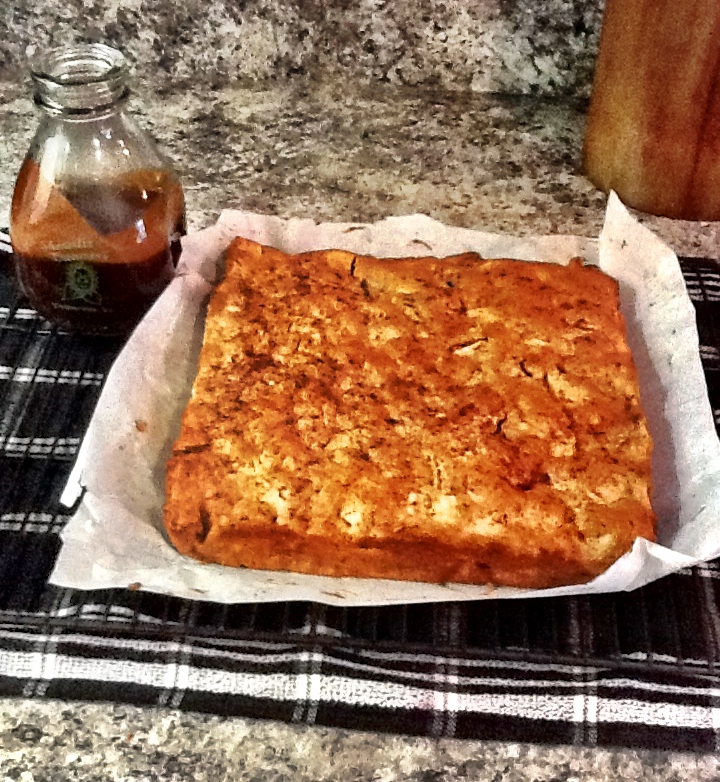
You have to wait until they cool to cut them up. You can do it.

I served them with homemade caramel sauce (also super easy to make), and vanilla ice cream, or frozen yogurt – we’re not sure. The labeling on the carton was very confusing. I also whipped up some spiked hot apple ciders with a splash of the caramel sauce to go with the brownies. Home run.

The one thing I will note, if you make this recipe, the batter looks like nothing but apples, and if you’re a baking amateur, like me, then you may freak out that they are going to be no brownie and all apple, but somehow it works itself out.

How DO you like them apples??

What are your favorite fall-inspired apple recipes? Do you go apple picking? What’s your favorite kind of apple (mine’s the sun!)?

Local Beef Three Ways

I’m excited to share with you all three different ways to approach one ingredient: local, pasture-raised beef. This will be the first time I’ve featured beef on the blog, so hold on to your steak knives! Actually, don’t. I’m not going to be discussing steaks. Sorry, you’re on your own there. The beef used in all of these recipes came from Windhaven Farm in Windsor, VA. They raise “Natural, Angus Beef” and here is how they describe it (from their website):

“Natural beef is a healthy and safe choice of quality beef.  The cattle are birthed on our farm.  We do not receive feed stock from unknown sources.  Our farm does not mass produce cattle.  The cattle are antibiotic free and do not receive growth hormones. The cattle are fed 100% grass, hay, and grain.  Therefore the cattle are healthier and leaner resulting in lean, healthy beef. Natural means: No antibiotics, hormones, ionophores, or medicated feeds No feeding of animal by-products. Grass fed, grain finished – grain is used to help “finish” and marble the beef. All natural from birth. Parasiticides are not used within 30 days of slaughter date.”

You can also purchase completely grass-fed beef from them in 1/4, 1/2 or whole packages. Yes, that means 1/4, 1/2 or a WHOLE COW. I know lots of cross-fitters (paleo dieters) that go in on entire cows together, and it actually works out to be a great deal, if you have the room to store even a small portion of an entire cow. I do not. So I usually order their beef in completely reasonable increments, like you know, a pound of ground beef. Their beef is available for pick up at their farm, or through Coastal Farms Co-op and at a few retail stores in Hampton Roads like Heritage Natural Market.  They also do occasional deliveries around the area.

The weather is really cooling down around here and a lot of the farmers markets have stopped for the season and while there is still lots of produce to be found if you’re willing to look for it, it is definitely starting to feel like hearty-food weather. So here are three great options to satisfy your cool-weather cravings:

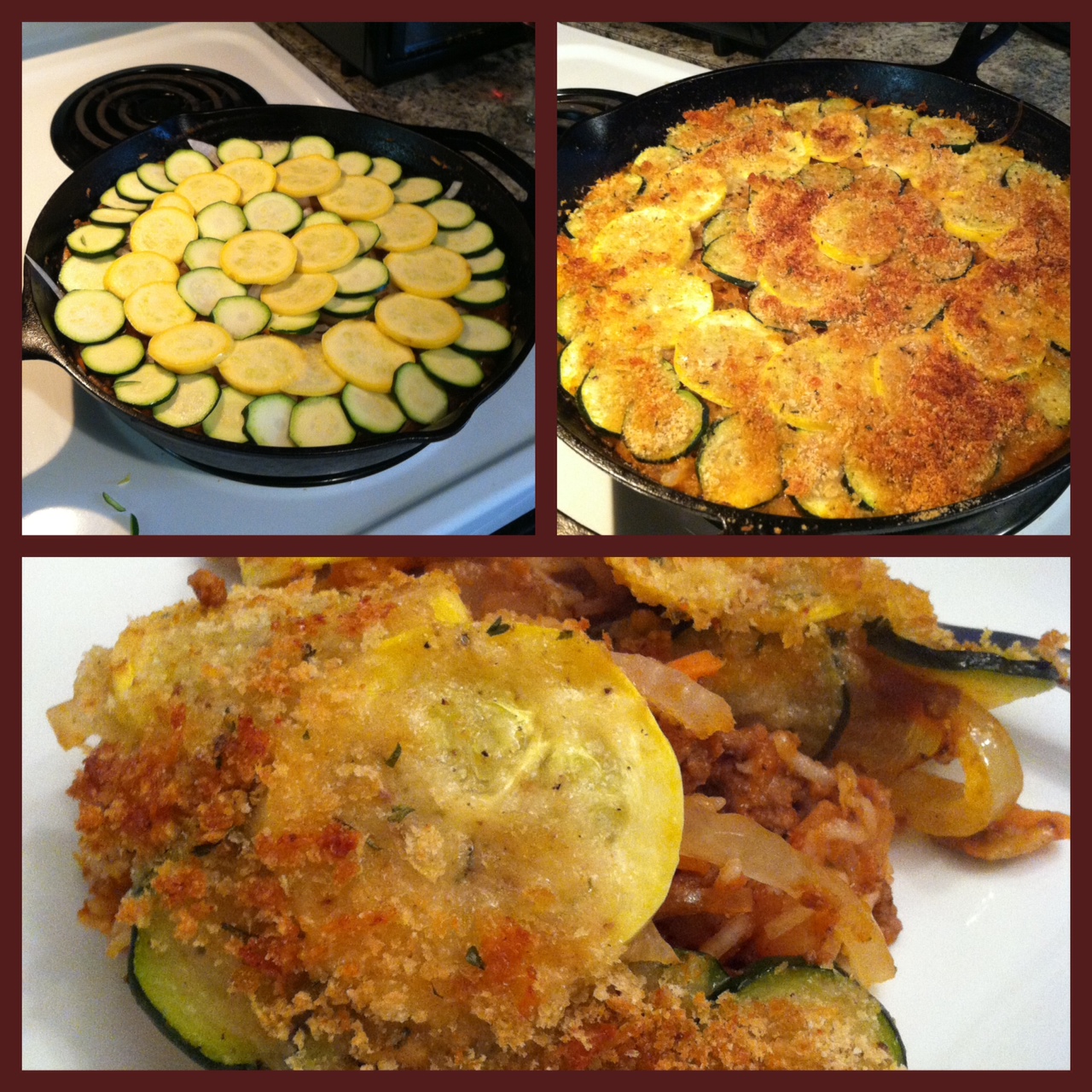
Beef and rice skillet with late-summer veggies

Meat Sauce:

Ingredients:

  • 1 1/2 tsp. olive oil
  • 1 pound ground beef
  • 1/2 medium yellow onion, diced small
  • 2 carrots, shredded
  • 2 cloves garlic, roughly chopped
  • Salt and pepper
  • 1 can (28 oz) whole peeled tomatoes, pureed in a blender

Directions:

  1. In a large heavy pot, heat oil over high. Add meat and cook, breaking it up with a wooden spoon, until it begins to brown, about 5 minutes. Add onion, carrots, and garlic and cook until meat is browned and onion is soft, about 5 minutes. Season with salt and pepper, add tomato puree, and bring to a rapid simmer. Cook, stirring occasionally, until liquid is slightly reduced, about 15 minutes. Season with salt and pepper.

Casserole:

Ingredients:

  • 1/2 cup fresh breadcrumbs
  • 1/4 cup grated Parmesan (1 oz)
  • 2 tbsp Olive Oil, divided
  • meat sauce (recipe above)
  • 1/2 cup long-grain white rice
  • 1/2 medium yellow onion, thinly sliced lengthwise
  • 2 zucchini or yellow squash, very thinly sliced
  • salt and pepper

Directions:

  1. Preheat oven to 475 (Fahrenheit). Combine breadcrumbs, Parmesan and 1 tblsp olive oil.
  2. In a large cast-iron skillet, bring meat sauce to a rapid simmer over high. Stir in rice and remove from heat.
  3. Top with onion, then carefully arrange zucchini/squash in a single, slightly overlapping layer. Season with salt and pepper, drizzle with remaining tbs. olive oil and top with breadcrumb mixture. Return to heat and bring to simmer.
  4. Cover with foil and bake 10 minutes. Remove foil and bake until rice is cooked through and breadcrumbs are golden, about 10 minutes more. Let cool 5 minutes before serving.

*This recipe is adapted from Everyday Food

The meat sauce part of this recipe can be adapted and used for anything – on top of pasta, as sloppy-Joe filling, mixed with cheese and stuffed into pasta shells – whatever you want! This is a really perfect recipe for right now because squash and zucchini are still available locally, but it’s still hearty and warm and filling for fall.

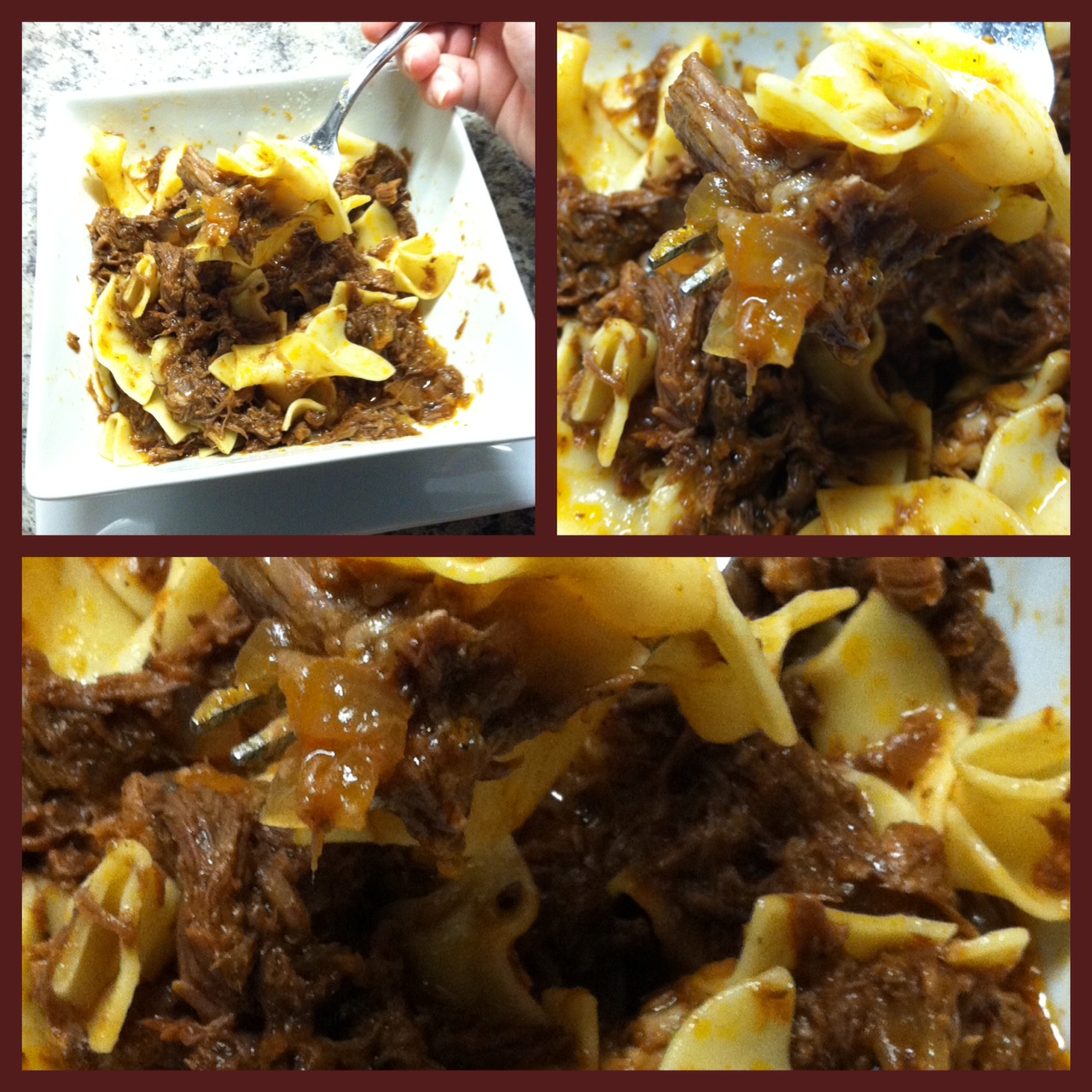
Slow Cooker Beef Ragu

Ingredients:

  • 1 medium yellow onion, diced small
  • 3 cloves of garlic, minced
  • 1 small can of tomato paste
  • 3 tbs chopped fresh oregano
  • 1 beef chuck roast (2-4 lbs is fine)
  • coarse salt and pepper
  • 1 tbs red-wine vinegar
  • 1 tbs balsamic vinegar

Directions:

  1. In a 5-6 quart slow cooker, combine onion, garlic, tomato paste, oregano, salt and pepper to taste. Season roast with salt and pepper and place on top of onion mixture.
  2. Add 2 cups of water, cover and cook on high until meat is tender and can easily be pulled apart with a fork, 4 1/2 hours (or 9 hours on low).
  3. Let cool 10 minutes, then shred meat in slow cooker with 2 forks and stir in vinegar to taste.

This recipe was also adapted from Everyday Food

You could serve the ragu over whatever you liked – rice, pasta, polenta, mashed potatoes. I had originally planned on serving it over spiced and grilled polenta, but then the grocery store by our house decided stocking polenta (and anything else I’m ever specifically looking for) is stupid. So for whatever reason I opted for no-yolk egg noodles instead. Big mistake. I’ve never liked these things and I still don’t. There’s not enough salt in the Dead Sea to make them taste like anything at all, and the texture is slippery and slimy. The ragu was great, but my suggestion is to go to a better grocery store than mine and find some good polenta, or make your own, or make some stiff grits or something besides egg noodles. Seriously, maybe even some wood shavings from the pet store might work better. Just go with your gut.

Taco Bowls

Ingredients:

  • Burrito-sized soft tortillas
  • Olive oil spray
  • 1 lb ground beef
  • Taco seasoning
  • Refried Beans
  • Taco toppings of choice

Directions:

  1. Preheat oven to 425. Place a cooling rack inside a baking sheet and turn 4 ramekins upside down on the rack. Microwave your tortillas for 15 seconds to make them soft. spray each ramekin with olive oil. Mold tortillas over each ramekin, making them into the shape of a wide bowl. Spray outside of tortillas with additional olive oil.
  2. Place baking sheet with tortillas into the pre-heated oven very carefully (the ramekins will want to slide around on the rack). Bake for 10 minutes or until golden and crispy. Remove from oven and let cool on the ramekins. Wait until they have cooled to the touch to remove them from their molds. This will ensure they keep their shape.
  3. Meanwhile, brown your ground beef in a large skillet over medium heat. Drain off fat. Return meat to the burner and add 1/4 cup of water and taco seasoning to taste. Keep on low until tortillas are finished baking.
  4. In a small saucepan, warm your refried beans until smooth and heated through.
  5. Once the tortillas have cooled to touch, fill them with your taco accouterments: I like to make the base with refried beans, topped with the beef, then topped with shredded jack or cheddar cheese, taco sauce, diced tomatoes, lettuce, some mashed and seasoned avocado and a dollop of plain, nonfat Greek  yogurt (I use this in place of sour cream in everything. The taste is exactly the same, but without the fat and it’s easier on my stomach).

You can make more than 4 bowls at a time, if you need them. I just only needed four and conveniently I only have 4 ramekins. Jeremy and I each ate two bowls (they are smaller than the ones you get at Mexican restaurants, so put your judgey face away). And we had chips and salsa on the side. This is a fun update on taco night.

Taco salads are great until you decide to start eating the shell. The idea seems great and starts out totally civilized. Something like this:

Oh yes, I’ll just take this one little bite of the shell.

Then all of a sudden all hell breaks loose, a tornado sweeps through your taco salad and you’re left with this tragedy:

The horror! The horrooooorrr!

Which is fine, really – it all tastes the same anyways. But if aesthetics is your thing, then just eat the salad portion with tortilla chips or something and save your bowl for decoration or to hold your keys or a hat for a small child or large dog – your call.

So there you have it – local beef three ways. Certainly you could do all of these recipes with beef you buy at the grocery store, that came from a CAFO (Concentrated Animal Feeding Operation), where cows are fed nothing but grain, which makes them sick, which requires them to take antibiotics, which remains in the meat, which over-dosed the entire population with antibiotics so that we all have reduced good bacteria in our bodies so that we are all more prone to sickness so that we all end up having to take more antibiotics like the poor cows before us, which in the long run makes us even more sick, needing more medication and so on and so forth. Again – your call.
Besides that, grass-fed beef has higher omega-3’s, is leaner, often has more protein, and is generally ethically raised. There’s no doubt red meat is not the most healthy thing we can all eat, but if you’re going to eat it (and we all are – the average American eats 110 lbs of red meat every year), then make it the healthiest, most environmentally friendly, ethical meat that you can eat. Cost? Please. Let’s not get into that – just eat your taco bowl and enjoy the grass-fed goodness.

Detox Lessons Learned

I am back to a pseudo-regular diet and the good news is that wine does not seem to affect me at all. (Huzzah! And just in time for Virginia Wine Month!) However, beer is probably off the menu for good. And anything that combines dairy, cheese and wheat, although separately, they seem to be OK.

So here are some lessons I’ve learned and things I’ll continue to practice now that my detox is done:

  • You don’t need nearly as much food as you think you do. Hunger is a state of mind, not of body.
  • Fast (with juice and smoothies) one day a month, or once a week if you can. This gives your digestive system a break, particularly after a long weekend or the holidays, etc.
  • I do not NEED coffee every morning. Substitute herbal tea a few times a week and only have one cup of coffee on the days I chose to. Drinking 2-3 cups of coffee on an empty stomach was clearly one of my primary irritants. (yes, I figured that out by myself; I’m a genius)
  • Detox isn’t just about food. Get rid of other toxic things in your life like negative thoughts, actions, judgments, relationships, jobs, etc. We have one life, and it can end at any time. Don’t waste any of it on things that don’t serve you well or contribute to your overall improvement. This is not to say get rid of everything you dislike. Sometimes things we dislike are good for us and can and will improve us.
  • Stretch every single day. I like to do this right before I go to bed, it seems to help me sleep. I particularly like twisting stretches, as they are good for your internal organs and can help them detox. Gaiam has a few great suggestions on yoga for detox.
  • Fast 12 hours every day. This means that once you finish dinner, you do not eat anything for 12 hours. So if you finish dinner at 7, eat breakfast at 7 the next morning, with nothing in between. This is a great detox and weight loss principle. Your system needs the rest – food consumed late at night and right before bed doesn’t do you any favors at all.
  • Treat your body well. Not just in what you eat, but in what you do for it on a daily basis. I’ve started going back to a chiropractor since I started my detox and it’s doing amazing things for how I feel over all. Get a massage, get your spine adjusted, do some yoga, or just take a walk (they’re free!).
  • Take probiotics every day. They can do no harm, and can only help balance your digestive system.
  • Focus on “clean” foods whenever possible. Eliminate processed foods, eat your veggies raw every once in a while and I’ll say it – just get rid of sugar. Period.
  • Drink SO MUCH more water than you are. I’ve always been a big water drinker, but during the detox I was drinking a gallon or more a day. My skin, hair and eyes looked better. It’s amazing. Just drink it.

There are so many more things I learned while I did this, but those are just a few that I think are fairly easy to implement.

Has anyone else out there ever done a detox or similar program? What are your lessons learned? 

Detox and why health care will never be “reformed” (ie – heavy stuff for a Friday)

I haven’t blogged lately because I’m taking a break from food. Not from cooking or from trying new recipes, but from food. From eating it. I’m doing a detox. And now, in many more words than are probably necessary, I will tell you why.

For the past year I have been through the medical industry ringer trying to find the cause or cure for digestive issues that I’ve dealt with for most of my life but most severely in the past two or three years. After several months of intense “suffering,” I finally made an appointment with a gastroenterologist in August 2011. Several tests were done to find out if I had celiac, crohn’s, ulcerative colitis, etc., none of which I had. So the doctor decided to have me tested for an intestinal bacterial overgrowth, which I did have. I was put on an antibiotic for 10 days that is so strong it is usually only give to liver disease patients who have so many toxins in their bodies that their brains literally stop working. It cost me over $400 (just for the pills, that doesn’t include the cost of the test) and did not work. So the doctor decided it was IBS. Again, another medication. Again, no results. Finally he decided to do a full sonogram of my entire stomach, intestines, liver, kidneys and gallbladder to check for tumors, stones, etc. Nothing. Finally, he says to me, “well, there’s really nothing we can do unless you’re willing to change your diet.”

Me: “ummmm…..excuse me? I can fix this just by changing my diet????”
Dr.: “Oh yeah. I just don’t usually recommend that anymore because nobody is willing to do it.”
Me: *face palm*

He gave me the name of a book called Breaking the Vicious Cycle that outlines a specific carbohydrate diet that has worked extremely well for most digestive issues, and in some cases has even cured some patients’ completely, even from things like Celiac Disease. I bought it that day. But as I thought about changing my diet, possibly for life, I thought about all the things and ways I had eaten in the past and how hard it might be to pinpoint the exact thing or things that caused my symptoms, so I began researching detox programs. I figured if I was going to completely change my diet, I might as well start with a clean palate. I found a program called “Clean” that was put together by a real Doctor, (not some hippy dippy whack-job) Dr. Jundro, who is a practicing cardiologist in New York. He went through very similar symptoms to my own after becoming a doctor and found relief through detox and Functional Medicine (a combination of Eastern and Western medicine). The detox program he created and outlines in his book, Cleanis safe and provides you with all the nutrients you need during your detox, which you can choose to do for one to three weeks at a time. Here’s how the program works:

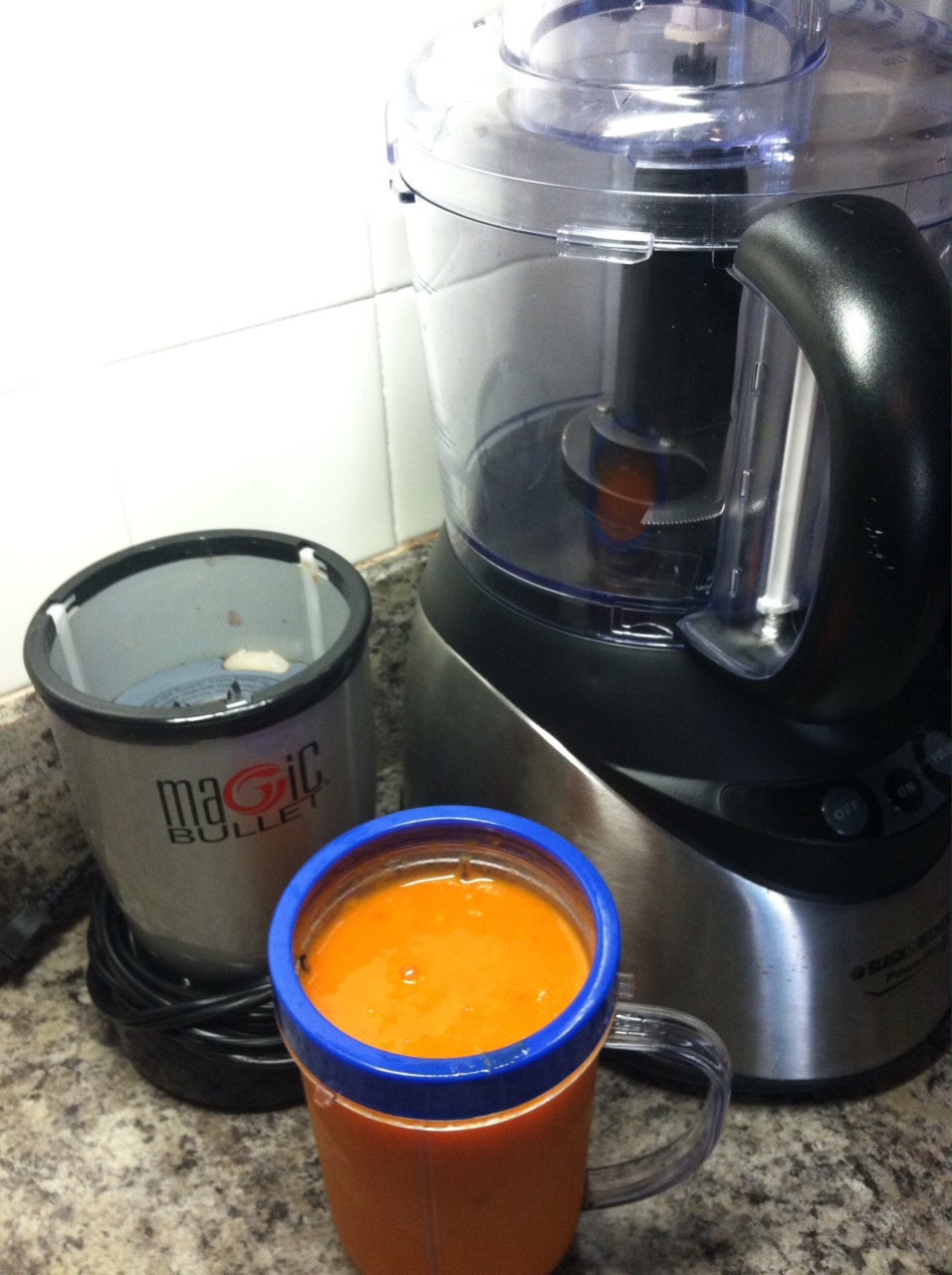
You have two liquid meals a day. One for breakfast:

Carrot, peach and mango juice. My magic bullet and food processor are my best friends right now.


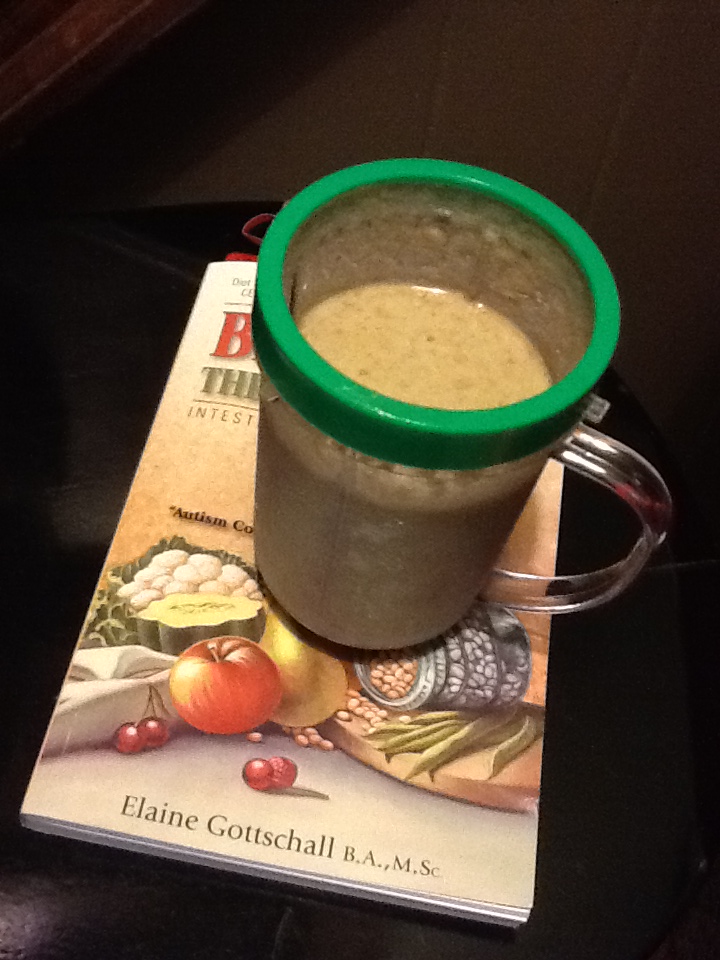
One for dinner:

smoothie

Apple cinnamon smoothie with Virginia Apples.


For lunch you can have a small solid meal that fits the detox guidelines:

chicken

Balsamic glazed chicken and zucchini with wild rice

You can also have a small snack in the mid-morning and mid-afternoon that fit the detox eating guidelines:

White bean and garlic dip with raw veggies


And you can have herbal teas and there are several supplements you take each day:


Tower of Supps!

The detox guidelines are pretty intense. You cannot have caffeine, sugar, alcohol, starch, pasta, corn, soybeans or soy products, shellfish, beef, pork, wheat, gluten, dairy, peanut or peanut products, raisins or grapes, citrus, or nightshades (tomatoes, potatoes, peppers). The idea being that you cut out every kind of common allergen, irritant and foods that cause your blood to become acidic over time (like nightshades). When your system balances, gets rid of the acidity and irritants, it can detoxify itself and restore itself to a neutral state from which to begin eating again, introducing one type of food back into your diet at a time until you pinpoint the cause of the symptoms. During the detox you also take very strong doses of priobiotics to help restore the good flora in your intestines.

As you can imagine, this has been difficult for someone like me who loves food, loves to cook, and is more or less IN love with wine. But it was my last resort and I was tired of feeling miserable every single time I ate a meal. And more importantly, I felt like it was my responsibility. When my doctor told me, as a LAST RESORT, that I could change my diet and live symptom free, it was completely eye opening for me. Most people won’t do this. Most people won’t take the responsibility for their own health. They want an easy answer and they want it in easy-to-swallow capsules. We are addicted to our addictions. We pop pills that often have side effects worse than the symptoms they are meant to treat. And here is where I get on my soap box about health care, because (Now, listen. Listen, now, as Dr. Stanley would say). Americans, in general, do not wish to be well. And you cannot reform a system in which the people who belong to the system do not want to be reformed. In other words – WE have to want to change, if we want health care to change, and what we need to change is the entire idea of health care. In fact, it needs to become just that: the care of our health, not the treatment of disease. I decided to give up on doctors appointments and treatments and pills and procedures and decided instead to care for my health. It is not easy. I have been craving brownies for 11 days straight. But this is my only answer.

I only have about a week left on the program before I start introducing foods back into my diet, and I’ll admit I’m a little nervous to see what I find out. Will I be disappointed if I have to give up cheese or oysters or (GOD FORBID, seriously, I’m praying on this one) wine? Yes, of course. But you know what? It’s better than being dependent on pills, and their adverse side effects, or going to a never ending string of doctors appointment and having test after meaningless test taken. It’s not as fun as my usual food posts, I’ll admit, but keep checking back for detox updates and my adventures in re-introducing food back into my diet! That will be like  a party!

Crock pot chicken

I am about to share with you one of my favorite recipes of all time. Why is it one of my favorites? There are a few reasons:

1. It is easy

2. It cooks in the crock pot

3. It uses lots of fresh, local ingredients

4. You do not have to remember to THAW the food in advance, which I am terrible at

5. It saves you MONEY

I can’t take credit for this recipe – it came from a local farmer who raises chickens and was interviewed in the local paper last year about how she likes to prepare her own local, pasture-raised poultry. This recipe is a very slight variation on her original, but I give all the credit to Alison Wilson of Full Quiver Farms. I knew I had to make this recipe when Julia Child’s 100th birthday came around a few weeks ago, and the infamous taping of her roasting a chicken was inescapable. She was a completely lovable spaz, and I feel certain, based on that footage, that she got salmonella more times than she could remember. But, despite all that, I wanted to make a chicken.

First, you SLAP the chicken!

This is a basic crock-pot chicken. But when done right, it is flavorful, can be used for several meals, and will provide you with nearly 10 cups of fresh, delicious chicken stock. Let’s get started.

As I mentioned above, you do not have to thaw your chicken first, which is possibly my favorite thing about this recipe. It’s so hard to remember to take something out of the freezer in the first place, and then when you get into the realm of poultry, trying to figure out how many hours it needs to thaw based on the pounds….well, that’s called Math, my friends, and I don’t ride that train. But because you can put the chicken into the pot frozen, it will take a full 8-10 hours to cook to completion, so keep that in mind – get up a little early to get this one in the pot, OR do it overnight and wake up to a house that smells like the inside of your grandmother’s kitchen on Sunday afternoon – both good options.

I used a 5lb pasture-raised chicken from G-square farms in Isle of Wight County, VA. I bought and received this chicken within a week of it being processed. It does come to me frozen, but it is still tender and delicious when cooked. I paid $16 for a 5lb chicken, which I realize is more expensive than a chicken from the grocery store, but I feel like I shouldn’t have to explain to you all at this point why it is better to pay a little more for a quality, ethically raised chicken. Plus, you’ll see how $16 is going to make 2-3 meals.

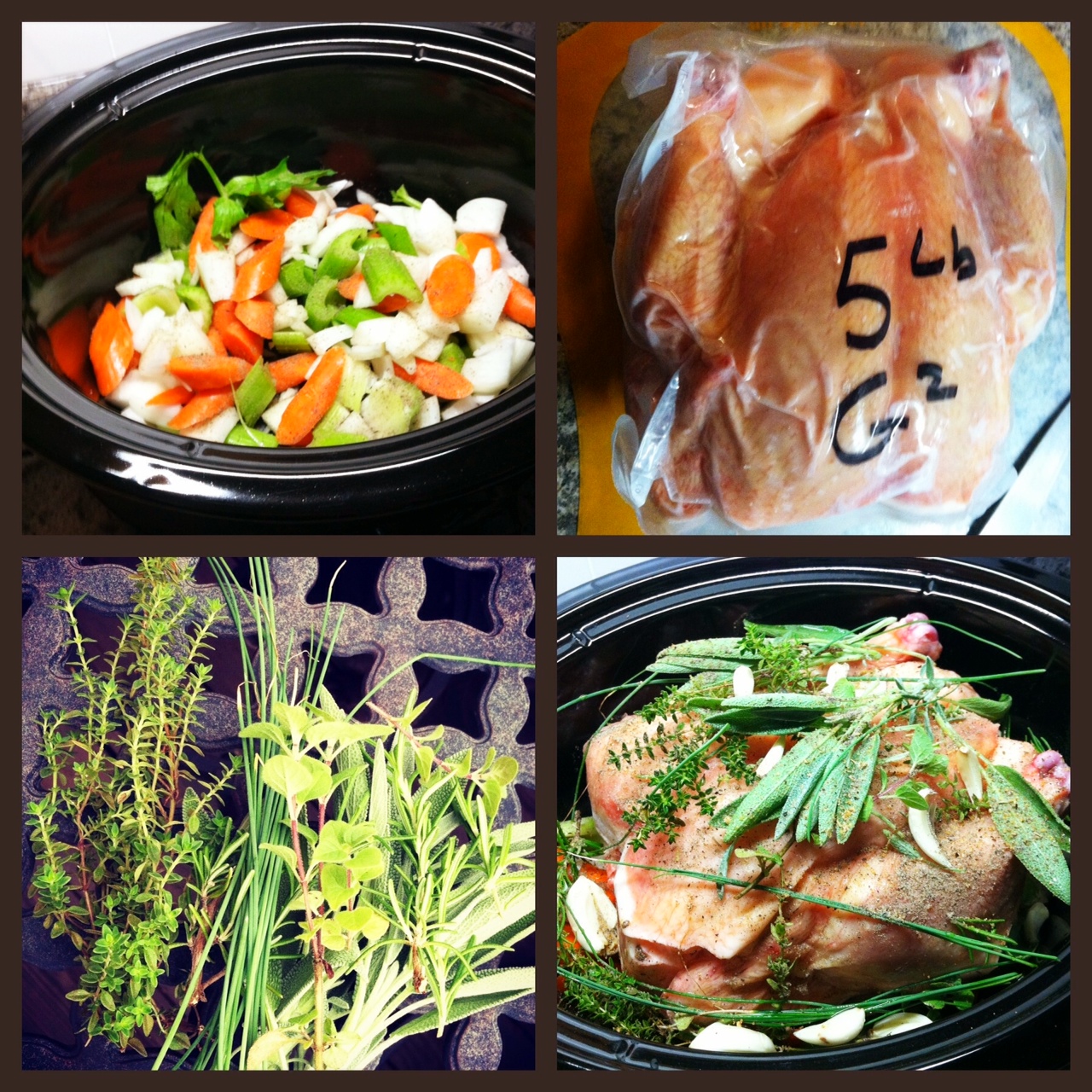
In the bottom of your pot, dump your mirepoix (a combination of sliced and diced celery, carrots and onions). I use one onion, two carrots and two stalks of celery. Cover the bottom with this mixture and season with salt/pepper and then toss in a few cloves of garlic (or if you’re me – an entire head of garlic), crushed.

On top of that mixture, place your frozen chicken. Make sure, if it has gizzards, that those are removed. Then, this is where my recipe varies – I top the chicken with as many fresh herbs as I have on hand from my garden. In this case, a tiny bit of oregano, sage, rosemary, thyme and chives. I also season the chicken with poultry seasoning, more salt and pepper. Then cover the whole things with water. Ideally, you want the water to come up over the top of the chicken, but just put in as much as you can without overflowing. Finally, the secret ingredient – add 1/4 cup of apple cider vinegar. According to Wilson, the vinegar helps draw out the flavor and nutrients from the chicken bones.

Mirepoix, pasture-raised poultry, fresh herbs, crock pot chicken!

Then….walk away. Just walk away. 8-10 hours later you’ll have something that looks like this:

Your final product(s).

Remove the chicken from the pot carefully with tongs – it will fall apart a bit, so just go fishing for the drumstick, which inevitably is the first thing to go. Set the chicken out on a rimmed baking dish and let it cool. While it’s cooling you can deal with the broth, but for the sake of explaining this picture – once it’s cooled, debone the chicken (this is the most time consuming part of this recipe). I separate out the dark and white meat, but do whatever you like here. Then I take out what I need for whatever I’m making that night and refrigerate or freeze the rest. I only needed about one breast and a bit of dark meat for that evening, the rest went in to tupperware and supplied TWO more dinners!

When you’ve removed your chicken from the crock pot, you’ll have broth and a whole lot of bits and pieces left. To separate the broth from the solids, place a sieve over a large measuring cup or container and use a ladle to strain the broth:

Look at you with your homemade broth!

Once the broth has cooled, I store it in different sized containers. I feel like recipes are always calling for just a 1/4 cup or a few tablespoons of broth, so I freeze an ice cube tray of broth, which I then pop out and store in a zip lop bag once they are completely solid – each cube is about 1 oz of liquid, so just pull out a cube at a time as needed for recipes. I also freeze 1 cup servings and then a large 4 cup container. The broth is naturally pretty low fat since we didn’t add any oil and pasture-raised animals are pretty lean, but if you’d like you can use a fat separator OR just store the broth in the fridge for several hours and skim the fat off the top once it’s congealed.

SO, now you have 10 cups of broth and an entire deboned chicken (I had about 8 cups of meat, but that will depend on the size of your chicken). What to do next? Well, I’m sort of a sucker for chicken wings, but let’s face it those deep fried, smothered in sauce, then dipped in another sauce appetizers are not doing anyone any favors. So here is my health(ier) take on buffalo wings.

Take one breast and tender and 1/2 cup of your dark meat and chop it up or shred it. Place it in a bowl and add 1/4-1/2 cup of buffalo wing sauce (depending on how saucy you want it). I use the Texas Pete brand because I think it’s spicier than others, and I’m not playing around when I want buffalo, but you can buy a milder brand. Then add 1/2 packet of dry ranch dressing mix. Mix well. From here, you can do whatever you want with this – put it on sandwiches, make a salad, whatever. I did lettuce wraps with iceberg lettuce, home made ranch dressing, shredded carrots, diced celery and crumbled blue cheese.

Buffalo chicken and accouterments.

Served along side some local corn on the cob and home made potato chips made from local potatoes, oh and of course a Corona with lime . . . whoa.

There isn’t a bar in town with buffalo chicken this good.

This recipe used about 1/3 of the whole chicken and served two people for dinner and then two people for lunch the next day. Another 1/3 got used in a chicken pot pie, which three very hungry people consumed in one meal, and then the other 1/3 is in my freezer – just waiting to become something else delicious. I use the chicken stock in everything, and barely ever have to buy it from the grocery store because I make a crock pot chicken once or twice a month, keeping me stocked with . . . stock.

Recipes like this just make me happy – they are a breeze to do, they work on so many different levels, they give you two products for the price of one and will feed you for a week.

What are your favorite dual purpose recipes?